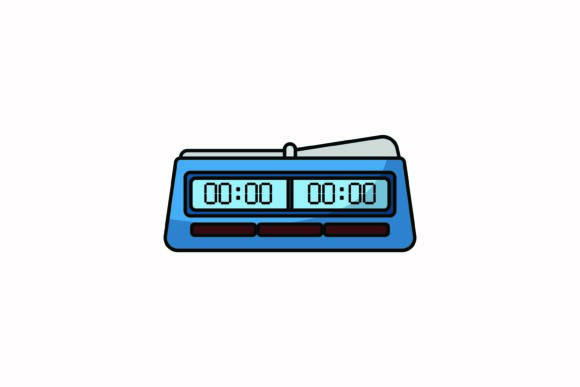
Game Clock Chess Sport Icon: A Strategic Visual Play for Branding and Marketing
As a brand designer and content marketer, I recently reviewed the Game Clock Chess Sport Icon with a critical eye toward its potential use in real-world marketing campaigns. My focus was on how it could elevate brand storytelling, support visual consistency, and contribute to a polished, intentional aesthetic across multiple platforms. Here's my detailed take on how this graphic design asset performs in practice.
First Impressions: Sharp, Strategic, and Visually Engaging
The Game Clock Chess Sport Icon immediately strikes a tone of precision and intellect. It carries a clean, modern design that evokes the competitive and thoughtful nature of chess, making it ideal for brands that want to communicate strategy, focus, or mastery. The icon feels versatile enough for both casual and semi-professional branding contexts, especially when targeting audiences interested in games, sports, or mental challenges.
From a brand perception standpoint, this icon can subtly signal sophistication without veering into overly formal territory. It works well for lifestyle brands, educational platforms, or even productivity-focused digital products. However, it may not be the best fit for handmade or rustic-themed branding, where a more organic visual tone is preferred.
Real-World Marketing Uses: From Social Media to Packaging Design
In testing the Game Clock Chess Sport Icon across various campaign mockups, it showed strong adaptability. Here are some practical applications where it stood out:
- Social media graphics – Particularly effective in Instagram posts and Pinterest pins where visual storytelling is key. Its clear, bold lines help it stand out in feeds without overwhelming the message.
- Brand identity – When used as a supporting icon in logo design or brand kits, it adds a layer of conceptual depth, especially for brands centered around strategy or competition.
- Email banners and lead magnets – As a decorative brand element, it helps reinforce brand recognition while subtly guiding the visual hierarchy of the layout.
- Packaging design – Ideal for accent use on product labels or inserts, especially for board game boxes, puzzle kits, or branded merchandise in the leisure and learning niche.
- Editorial design – Works well in blog graphics and website headers where the theme revolves around process, timing, or decision-making.
Supporting Marketing Goals with Visual Clarity
One of the strongest benefits of the Game Clock Chess Sport Icon is how it contributes to a stronger visual hierarchy. Used strategically, it can:
- Enhance first impressions by adding a touch of professionalism to campaign visuals
- Improve audience trust through consistent, intentional design choices
- Strengthen emotional connection by aligning with themes of strategy, time, and challenge
- Support better engagement by drawing attention to key campaign elements
- Make content more memorable through distinct, recognizable iconography
For small business branding or digital product creators, this kind of design asset can be a game-changer—especially when building a cohesive visual language across multiple platforms like Canva templates, social media covers, or promotional banners.
Where This Icon Works Best
The Game Clock Chess Sport Icon shines brightest in the following contexts:
- Hero graphics on landing pages or campaign headers
- Product launch visuals that emphasize timing or strategy
- Branded templates for content creators and online coaches
- Social media covers that need a clean, thematic accent
- Packaging accents or product inserts for niche board games or educational tools
- Content bundles and editorial layouts where visual storytelling is key
- Decorative brand elements that enhance, not distract from, the core message
Considerations: When to Use with Caution
While this icon is highly effective in many contexts, there are scenarios where it should be used carefully:
- Formal corporate branding – May feel too casual or thematic for high-end B2B environments
- Dense information layouts – Can get lost or compete with other visual elements
- Small mobile graphics – Detail may be lost at very small sizes
- Low-contrast backgrounds – Requires careful placement for optimal visibility
- Overly minimal brands – May feel out of place in ultra-clean or minimalist design systems
- Text-heavy ads – Can distract if not balanced properly with typography and spacing
- Competing with the main message – Should always support, not overshadow, the campaign's core content
Designer Notes: Practical Tips Before Deployment
Before incorporating the Game Clock Chess Sport Icon into a live campaign or client project, here are some key steps I recommend:
- Test with your brand color palette – Ensure it harmonizes with your primary and secondary brand colors.
- Check black and white usage – Some icons lose impact when converted to grayscale.
- Place in real campaign mockups – See how it interacts with other design elements in context.
- Preview on mobile screens – Confirm it remains legible and visually effective on smaller devices.
- Test readability in small sizes – Especially important for social media thumbnails or app icons.
- Compare against competitor visuals – Make sure it stands out in your niche without feeling generic.
- Pair with different fonts – Test with serif, sans serif, script, and display fonts to see which combinations work best.
- Review spacing and balance – Avoid crowding the icon with other elements to maintain visual clarity.
- Confirm commercial licensing – Always double-check usage rights before deploying in paid ads, client work, or product branding.
Final Take: A Valuable Addition to Your Visual Toolkit
Overall, the Game Clock Chess Sport Icon is a smart, versatile design asset that can elevate a wide range of marketing visuals. Whether you're a content creator building a Canva template library, a small business owner launching a seasonal campaign, or a digital marketer designing a branded content kit, this icon offers a clean, strategic edge that supports both aesthetic and functional goals.
Its ability to communicate timing, focus, and competition makes it especially useful for campaigns that revolve around processes, decision-making, or time-sensitive offers. Just remember to use it thoughtfully—test, adjust, and integrate it within your brand system to ensure it enhances rather than complicates your message.