Game Stone Texture Header: A Crafts-Friendly Graphic for Bold Editorial Design
First Impressions: A Rugged, Versatile Design Asset
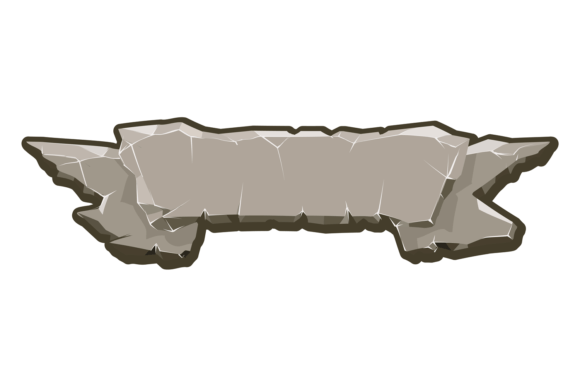
When I first downloaded the Game Stone Texture Header, I was struck by its tactile, earthy aesthetic. The rock texture feels grounded and natural, yet the clean white background makes it surprisingly adaptable. As a blog designer and digital publisher, I immediately saw its potential to elevate editorial design with a touch of rugged sophistication.
This graphic design asset leans into a lifestyle-focused and artistic visual tone, making it ideal for content creators in niches like outdoor living, game design, fantasy art, and nature-inspired crafts. It’s bold enough to command attention, yet neutral enough to blend into a variety of color schemes and design systems.
Perfect for Game-Themed and Nature-Inspired Content
The Game Stone Texture Header has a strong editorial presence. It brings a tactile, organic feel to blog headers, especially when used for fantasy-themed content, game development blogs, or nature-based digital guides. The texture adds depth without overwhelming the layout, helping your featured images and headers feel more immersive and intentional.
I tested it in a few different blog layouts and found that it works especially well for niche sites focused on creative design, DIY crafts, and digital storytelling. If your content has a playful or imaginative edge, this design asset can help reinforce that mood without feeling forced or overly decorative.
Real Publishing Uses: From Pinterest to Printables
As a content creator, I’m always on the lookout for blog graphics that can do double duty across platforms. Here’s how the Game Stone Texture Header performed in real-world use:
- Featured images – Works well as a background texture for article headers, especially in fantasy or game-related blogs.
- Pinterest pins – The strong visual contrast and texture make it stand out in Pinterest feeds and search results.
- Newsletter banners – Adds visual interest to email headers without interfering with text readability.
- Digital guides and worksheets – Perfect for adding a tactile background to downloadable content.
- Canva templates – Scales beautifully across templates for blog headers, social media posts, and lead magnets.
- Content upgrades – Gives your freebies a more polished, professional feel that readers trust.
How It Boosts Content Performance
Visual consistency and clarity are key for content marketing success. The Game Stone Texture Header helps in several key areas:
- Stronger first impression – The textured background adds depth and visual intrigue to any header.
- Clearer visual hierarchy – Its defined edges and contrast make it easy to layer text over the image.
- Better click-through potential – Especially for Pinterest and social media, this asset helps your thumbnails stand out.
- Consistent branding – When used across multiple content formats, it reinforces your visual identity.
- Improved reader trust – Professional-looking headers and graphics make your content feel more credible and polished.
Where It Works Best
Based on my testing, the Game Stone Texture Header shines in the following applications:
- Hero images – Use as a background texture for bold, thematic headers.
- Article thumbnails – Great for fantasy, gaming, and nature-themed blogs.
- Pinterest pins – Its texture and contrast help it catch attention in feeds.
- Blog graphics – Works as a background or overlay element in Canva and Photoshop designs.
- Newsletter headers – Adds visual warmth to email banners and content upgrades.
- Social media previews – Perfect for Instagram stories, Twitter cards, and Facebook posts.
Where to Use It Carefully
While versatile, this graphic design asset isn’t a one-size-fits-all solution. Here are some situations where you’ll want to use it with care:
- Small mobile thumbnails – The texture may get lost or pixelated at very small sizes.
- Text-heavy blog images – Can compete with headline text if not layered properly.
- Low-contrast backgrounds – May blend in too much if your site uses muted color palettes.
- Busy layouts – Avoid using it in already complex designs where it might add visual noise.
- Corporate or serious professional niches – Better suited for creative and lifestyle-focused content.
Publisher’s Notes: Practical Tips for Using Game Stone Texture Header
Before deploying this asset in your live content, here are a few practical steps I recommend:
- Test it on desktop and mobile screens – Ensure it looks sharp and readable on all devices.
- Check how it looks as a thumbnail – Resize it to see how it holds up in small preview formats.
- Preview it in a real blog layout – Place it in your CMS or Canva template to see how it integrates with your design system.
- Test with headline text – Make sure your typography stands out clearly over the texture.
- Check contrast and readability – Use tools like WebAIM to ensure accessibility compliance.
- Try it in black and white – Sometimes, desaturating the image can reveal hidden visual strengths.
- Pair it with different fonts – I tested it with serif, sans-serif, script, and display fonts. It worked best with bold sans-serif and script combinations.
- Review file size for web performance – Compress the JPG or PNG versions for faster load times without losing quality.
- Confirm commercial licensing – Always verify that you have the right to use the asset on monetized blogs, affiliate pages, or digital products.
A Valuable Addition to Your Design Toolkit
The Game Stone Texture Header is more than just a decorative element—it’s a digital product that can enhance your visual storytelling and editorial design. Whether you’re building a fantasy-themed blog, a game development resource site, or crafting digital guides for creative entrepreneurs, this graphic design asset adds a layer of depth and professionalism that resonates with readers.
If you're a small business branding consultant, affiliate marketer, or online educator looking to elevate your visual identity, this is a design element worth considering. It’s not just about aesthetics—it’s about building trust, clarity, and engagement through smart, purposeful visuals.