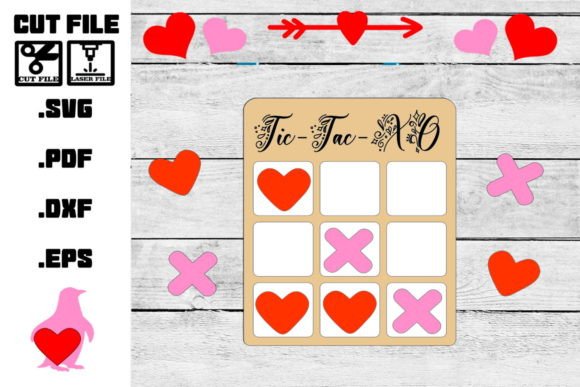
Valentines Tic-Tac-Toe Game for Kids: A Playful Graphic Design Asset for Blogs & Coloring Pages
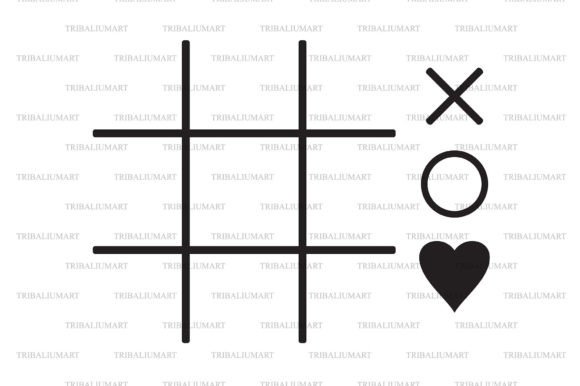
As a blog designer and digital publisher who works with a variety of visual assets, I was immediately drawn to the Valentines Tic-Tac-Toe Game for Kids. This design asset offers a charming, classroom-friendly aesthetic that’s perfect for content creators working in educational, seasonal, or kid-focused niches. It’s a cute and easy-to-assemble printable board game ideal for party favors, classroom gifts, or as a sweet alternative to sugary treats—especially relevant in today’s health-conscious school environments.
First Impressions: A Lighthearted, Seasonal Design with Editorial Appeal
The first thing that stood out to me was the playful yet clean design language. It carries a lighthearted, whimsical mood that aligns well with February themes, Valentine’s Day content, and children’s educational materials. The layout is simple but effective, with soft colors and heart-themed elements that evoke a sense of warmth and fun without feeling overly cluttered or childish.
For bloggers and content creators in niches like parenting, early education, homeschooling, or seasonal crafting, this asset naturally enhances the visual storytelling of your content. It supports a lifestyle-focused, slightly feminine, and educational tone—perfect for readers who appreciate creativity with a personal touch.
Real-World Use Cases for Content Publishers
Let’s get into how this asset can be integrated into real editorial and marketing workflows:
- Blog Featured Images: The Valentine’s theme makes it a great fit for seasonal posts about classroom crafts, kid-friendly activities, or non-candy Valentine ideas.
- Pinterest Graphics: Its visual charm and heart-centric design make it highly clickable on Pinterest, especially when paired with strong headlines like “25 DIY Valentine Ideas for Kids” or “Non-Candy Party Favors That Kids Love.”
- Newsletter Headers: Incorporating this design into your email marketing visuals adds a festive pop that can help boost open rates during the Valentine season.
- Downloadable Printables: As a digital guide or lead magnet, this tic-tac-toe game can serve as a valuable content upgrade that encourages email sign-ups and builds trust with your audience.
- Social Media Previews: Works beautifully as a post background or story graphic for Instagram, Facebook, or Pinterest, especially when promoting seasonal blog content.
How It Elevates Content Performance
From a visual communication standpoint, this graphic design asset contributes to a stronger editorial presence in several key ways:
- Better First Impressions: The design immediately conveys warmth and approachability, which helps readers feel welcomed and engaged.
- Clear Visual Hierarchy: Its structured layout allows for easy integration with text overlays, helping headlines and calls-to-action stand out clearly.
- Improved Click-Through Rates: On platforms like Pinterest and social media, the Valentine’s theme and playful design naturally draw the eye, increasing engagement.
- Consistent Branding: When used across blog posts, emails, and social media, it reinforces a cohesive visual identity that supports brand recognition.
- Reader Trust: High-quality, well-designed graphics signal professionalism and care, which in turn builds credibility with your audience.
Where This Design Asset Shines
This tic-tac-toe design excels in visual contexts where warmth, playfulness, and seasonal relevance are key. Ideal placements include:
- Hero images on seasonal landing pages
- Article thumbnails for kid-related content
- Pinterest pins promoting Valentine’s Day activities
- Blog graphics for educational or parenting blogs
- Content upgrades like downloadable games or printables
- Email headers and newsletter banners
Where to Use It with Caution
While this design is versatile, it’s not a one-size-fits-all solution. It should be used thoughtfully in the following contexts:
- Small mobile thumbnails: The detail may get lost on tiny screens, so test how it looks scaled down.
- Text-heavy blog images: Avoid using it as a background if it competes with headline readability.
- Low-contrast layouts: Make sure text overlays maintain strong contrast for accessibility.
- Busy editorial layouts: Pair it with clean, minimal designs to let it stand out.
- Corporate or serious niches: This asset leans playful and seasonal, so it may not resonate in professional or formal contexts.
Publisher Notes: Practical Tips Before You Publish
Before deploying this design in your content, here are a few key steps to ensure it performs well visually and technically:
- Preview on desktop and mobile: Make sure it scales well and maintains clarity across devices.
- Test as a thumbnail: Check how it looks in small preview sizes, especially on Pinterest and email clients.
- Place it in a real blog layout: See how it interacts with your site’s fonts, colors, and layout structure.
- Overlay with headline text: Ensure it works well with your typical call-to-action text styles.
- Check contrast and readability: Always test with different font types—especially serif, sans serif, and script styles.
- Try in black and white: This helps assess how it holds up in grayscale or for accessibility purposes.
- Optimize file size: Compress images for faster loading times, especially if used in multiple places on a page.
- Confirm licensing: Make sure it includes a commercial license if you’re using it on monetized blogs, affiliate pages, or paid digital products.
Final Thoughts: A Valuable Addition to Seasonal Content Kits
In summary, the Valentines Tic-Tac-Toe Game for Kids is more than just a cute printable—it’s a functional, visually engaging graphic design asset that can elevate your blog visuals, editorial content, and social media presence. Whether you're creating a downloadable resource, a Pinterest-friendly blog post, or a festive newsletter, this design brings a touch of seasonal charm and editorial polish that resonates with readers.
For content creators in kid-focused niches, educators, or seasonal marketers, this asset is a smart addition to your visual toolkit. Just be sure to integrate it thoughtfully into your design system, test its performance, and always align it with your brand’s tone and audience expectations.