Video Game Evolution: A Retro-Inspired Graphics Asset for Crafts & Creative Projects
First Impressions: Nostalgia Meets Modern Craft Design
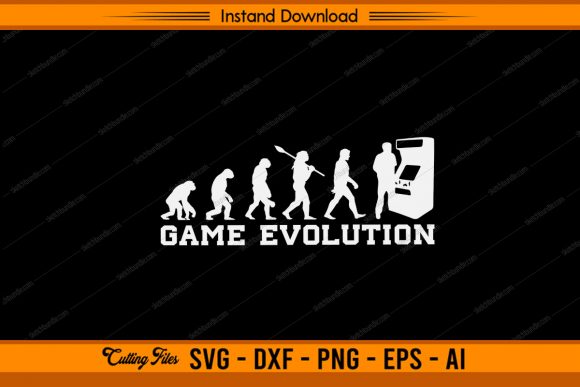
When I first downloaded the Video Game Evolution design asset, the immediate visual punch was unmistakable. This isn’t just a simple SVG or PNG graphic—it’s a layered, stylized journey through the history of gaming, rendered in bold colors and pixel-inspired forms. As a designer who frequently works with branding for small businesses and creative marketplaces, I immediately saw its potential for a niche client looking to tap into retro culture or youth-driven branding.
The aesthetic feels like a curated timeline of gaming history—from 8-bit beginnings to modern-day realism—all wrapped into a single, cohesive illustration. The color palette leans heavily into neon and primary tones, which makes it feel energetic and playful, but also potentially overwhelming if not used strategically.
Real-World Application: Where Video Game Evolution Shines
I tested the asset in a few different project mockups for a hypothetical client: a local arcade-themed café launching a new line of branded merchandise. Here’s how it performed across various design applications:
- Product Labels & Packaging Design: Worked surprisingly well when used as a background accent. The SVG file scaled cleanly for both large sticker prints and smaller packaging tags.
- T-Shirt & Mug Design: On apparel mockups, it became a conversation starter. The high-contrast elements translated well to sublimation printing and heat transfer vinyl, especially on dark fabrics.
- Social Media Graphics: For Instagram and Pinterest, I used cropped segments of the design as overlay elements. They added a retro flair to promotional content without overwhelming the message.
- Canva Templates: Integrated easily into drag-and-drop templates. The PNG transparency was clean, and the vector scalability made it suitable for both web and print use.
- Cricut Projects: As a cutting machine user myself, I was happy to see that the files were cleanly layered and separated, making it easy to cut out individual game icons or use the full timeline layout.
Best Use Cases: When to Let Video Game Evolution Take Center Stage
This asset is best suited for large format visuals where its storytelling ability can be fully appreciated. Think:
- Hero Graphics on websites or landing pages for themed events or campaigns.
- Printable Wall Art for children’s rooms or game-themed interiors.
- Merchandise Mockups like tote bags, stickers, and enamel pins.
- Themed Packaging for seasonal or limited-edition product drops.
- Editorial Design for blogs or zines about gaming culture or tech history.
Its strength lies in its ability to evoke nostalgia and communicate a sense of progression or innovation—perfect for a brand looking to position itself as both rooted in history and forward-thinking.
Where to Use Caution: Limitations and Design Sensitivity
Despite its visual appeal, there are definitely situations where Video Game Evolution can backfire:
- Small Sizes: Details get lost at thumbnail scale. Icons become indistinct and the overall message muddies.
- Crowded Layouts: Using it alongside other busy graphics or complex typography can make the design feel chaotic.
- Minimalist Branding: If your client leans into clean, modern design, this asset may feel out of place unless used sparingly.
- Professional Corporate Materials: Annual reports, investor decks, or formal presentations would likely clash with its playful tone.
Impact on Branding and Visual Communication
From a branding perspective, Video Game Evolution has strong emotional appeal—especially for Gen X and younger Millennials. It can help a brand feel more relatable, youthful, and culturally aware. However, this emotional hook must be balanced with brand consistency and readability.
I tested it with various font pairings:
- Sans Serif: Clean and modern, worked best for digital ads and mobile content.
- Display Fonts: Pixel or arcade-style fonts enhanced the theme but were less readable at small sizes.
- Script Fonts: Felt out of place unless used very sparingly for accents.
Contrast checks on both light and dark backgrounds revealed that some of the mid-tone elements (like green and orange game characters) needed a slight outline or drop shadow to avoid blending in.
Designer Notes: What to Test Before Final Use
Before committing to use Video Game Evolution in a client project, I recommend running through these practical checks:
- Preview at multiple sizes to ensure clarity on both large posters and small stickers.
- Test in black and white to assess contrast and readability without color influence.
- Check file formats—make sure the SVG is editable and layers are properly named for easy customization.
- Verify PNG transparency if using in layered digital designs or overlays.
- Print a sample to confirm color accuracy and detail retention, especially for Cricut or Silhouette cutting projects.
- Confirm commercial licensing to ensure it’s safe for resale or branded merchandise use.
Final Thoughts: A Strong Asset for Themed Creative Projects
Overall, Video Game Evolution is a well-crafted design asset that fills a specific niche in the world of creative design and print-on-demand visuals. It’s particularly useful for designers working with Etsy products, small business branding, or seasonal campaigns that lean into retro culture or tech nostalgia.
If your client project needs a visual hook that’s both fun and informative, and you’re working in crafts, digital design, or themed merchandise, this asset is worth considering. Just remember to use it thoughtfully, test thoroughly, and always align its visual tone with your client’s brand identity.